
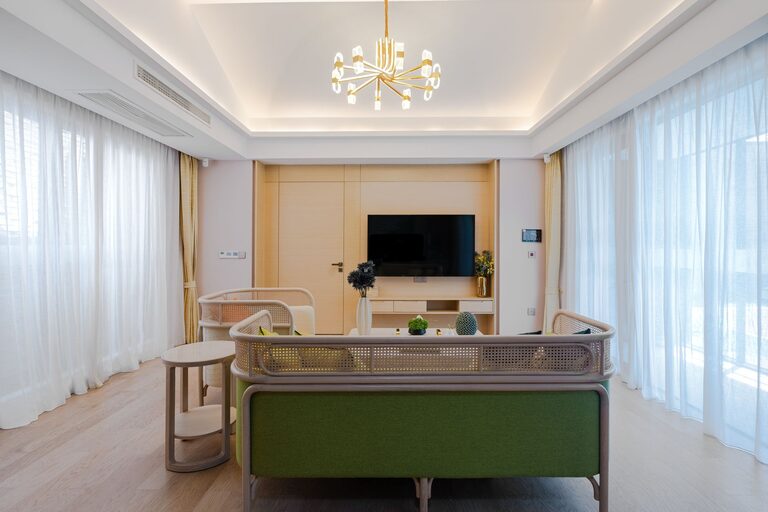
A dark room can feel cramped, dull, and uninviting. Whether it’s a basement, a room with limited windows, or a space blocked from natural light, brightening it up can make a huge difference in your home’s atmosphere. The good news is that you don’t need to undergo costly renovations to bring light and life into these spaces. With a few simple ideas and adjustments, you can transform even the darkest room into a fresh, lively area.
Assess the Room’s Current Lighting
Before you begin, spend some time observing the room. Note where the natural light comes from, if any, and which corners seem the darkest. Take note of any heavy window treatments, dark furniture, or wall colors that might absorb light. Understanding the current state will help you decide which brightening methods will work best.
Use Light Colors on Walls and Ceilings
One of the easiest ways to brighten a room is through paint. Light and neutral colors reflect light, making the space feel open and airy.
– Choose light shades: Whites, creams, pastels, and soft grays work well. These colors bounce natural and artificial light around the room.
– Paint the ceiling white: A bright white ceiling can reflect light downward, increasing the overall brightness.
– Consider semi-gloss paint: These paints reflect more light than flat finishes, adding subtle shine without glare.
Optimize Window Treatments
Windows are a primary source of natural light. How you dress your windows can significantly affect the amount of light entering the room.
– Use sheer curtains: These allow sunlight to filter in while maintaining privacy.
– Avoid heavy drapes or dark blinds: They block light and make the room feel smaller.
– Install reflective blinds or shades: Some blinds have light-reflective coatings that enhance brightness.
– Keep windows clean: Dirt and grime reduce the amount of light passing through glass.
Add Mirrors to Reflect Light
Mirrors are a powerful tool in brightening dark spaces because they reflect both natural and artificial light.
– Place mirrors opposite windows: This will bounce sunlight around the room.
– Use large mirrors or multiple small ones: They expand the sense of space and light.
– Consider mirrored furniture or decor: Items like mirrored side tables or picture frames add extra reflective surfaces.
Incorporate Bright and Reflective Decor
Beyond mirrors, other reflective surfaces and light colors in your décor can enhance brightness.
– Choose light-colored furniture: Opt for whites, light woods, or pastel upholstery.
– Use metallic accents: Gold, silver, or chrome accessories catch light and add sparkle.
– Add glass or acrylic furniture: Transparent pieces don’t block light and keep the room feeling airy.
– Select bright artwork: Colorful and light-themed art can lift the mood of a dark room.
Improve Artificial Lighting
Natural light is ideal, but good artificial lighting is essential in a dark room.
Layer Your Lighting
Combine multiple light sources to brighten the space evenly.
– Ambient lighting: This is general overhead lighting from ceiling fixtures or chandeliers.
– Task lighting: Lamps or focused lights for reading or work areas.
– Accent lighting: Spotlights or LED strips to highlight artwork or architectural details.
Choose the Right Bulbs
– Use LED bulbs with high lumen output: They produce bright light with low energy use.
– Select bulbs with daylight or cool white color temperature (5000–6500K): These mimic natural light and enhance brightness.
– Avoid warm or yellow-toned bulbs which can make a room feel cozy but dark.
Use Floor and Table Lamps
– Position lamps in corners or near dark spots to eliminate shadows.
– Select lampshades that allow light to pass through rather than block it.
Declutter and Open Up Space
Clutter and bulky furniture can absorb light and make a room feel smaller and darker.
– Clear surfaces: Keep tabletops and shelves tidy.
– Choose minimalistic furniture: Pieces with open legs or slim profiles allow light to flow.
– Rearrange furniture: Keep pathways open and avoid blocking windows.
Use Light-Enhancing Flooring Options
Flooring can also impact how bright a room feels.
– Light-colored rugs: Choose rugs in white, cream, or pastel shades to reflect light.
– Glossy or satin finishes on hardwood or laminate floors add subtle shine.
– Avoid dark carpets that absorb light.
Add Greenery and Natural Elements
Plants bring life and freshness, helping a room feel vibrant rather than gloomy.
– Opt for plants with light green leaves.
– Position plants near windows to take advantage of any natural light.
– Use light-colored pots or stands to avoid darkening the room further.
Final Tips for Maintaining Brightness
– Regularly dust light fixtures and clean mirrors and windows.
– Rotate decorative items seasonally to keep the space feeling fresh.
– Adjust lighting as needed for different times of day.
Conclusion
Brightening a dark room is all about maximizing light and creating a sense of openness. By using light colors, strategic lighting, reflective surfaces, and thoughtful decor, you can make any room feel more inviting and lively. These quick ideas require minimal effort and cost but offer significant improvements to your space’s ambiance. Try combining several of these tips for the best results and enjoy a brighter home.
About the Author