Stretching is a simple yet powerful way to enhance your physical health and well-being. Whether you spend long hours sitting at a desk, are recovering from minor muscle tightness, or simply want to improve your flexibility, stretching at home can be an excellent addition to your daily routine. This beginner’s guide will introduce you to the basics of stretching, explain its benefits, and provide easy-to-follow stretches you can try right away.
Why Stretching Matters
Stretching helps improve the elasticity of muscles and tendons, increasing your range of motion and reducing the risk of injury. It also promotes better blood circulation, aids in muscle recovery, and can relieve tension or stress built up in your body.
Incorporating stretching into your daily routine can help:
– Reduce muscle stiffness and soreness
– Enhance posture and balance
– Improve flexibility and mobility
– Boost relaxation and reduce stress
When and How to Stretch Safely
Best Times to Stretch
– After waking up: Gentle stretches can help loosen your muscles and get your body ready for the day.
– Before and after exercise: Stretching before a workout prepares your muscles, while after exercise helps with recovery.
– During breaks: If you have a sedentary job, taking short stretching breaks can reduce tightness and improve circulation.
Stretching Tips for Beginners
– Warm up first: Stretching cold muscles can cause injuries. Try a few minutes of light activity like walking or marching in place before stretching.
– Hold each stretch: Aim for 15-30 seconds per stretch to allow your muscles to relax and lengthen.
– Avoid bouncing: Stretch slowly and steadily to prevent muscle strain.
– Breathe deeply: Focus on slow, steady breaths while stretching to enhance relaxation.
– Listen to your body: Stretch to the point of mild tension, not pain. If something hurts, ease off or skip that stretch.
Basic Stretches to Start With
Here are some beginner-friendly stretches that target major muscle groups. You don’t need any special equipment—just a comfortable space.
Neck Stretch
- Sit or stand tall with your shoulders relaxed.
- Slowly tilt your head to the right, bringing your ear toward your shoulder.
- Hold for 20 seconds, feeling a gentle stretch along the left side of your neck.
- Repeat on the left side.
- Bring your right arm across your chest.
- Use your left hand to gently press your right arm closer to your chest.
- Hold for 20-30 seconds.
- Switch arms and repeat.
- Clasp your hands behind your back.
- Straighten your arms and gently lift your chest while squeezing your shoulder blades together.
- Hold for 20 seconds.
- Sit on the floor with your legs extended straight ahead.
- Keeping your back as straight as possible, hinge at the hips and reach toward your toes.
- Stop when you feel a stretch in the back of your legs and hold for 20-30 seconds.
- Start on your hands and knees in a tabletop position.
- Inhale as you arch your back, lifting your head and tailbone (Cow Pose).
- Exhale as you round your spine, tucking your chin and tailbone (Cat Pose).
- Repeat this cycle 5-10 times, moving with your breath.
- Stand tall and hold onto a wall or chair for balance if needed.
- Bend your right knee and bring your heel toward your buttocks.
- Grab your ankle with your right hand and gently pull.
- Keep your knees close together.
- Hold for 20 seconds and switch legs.
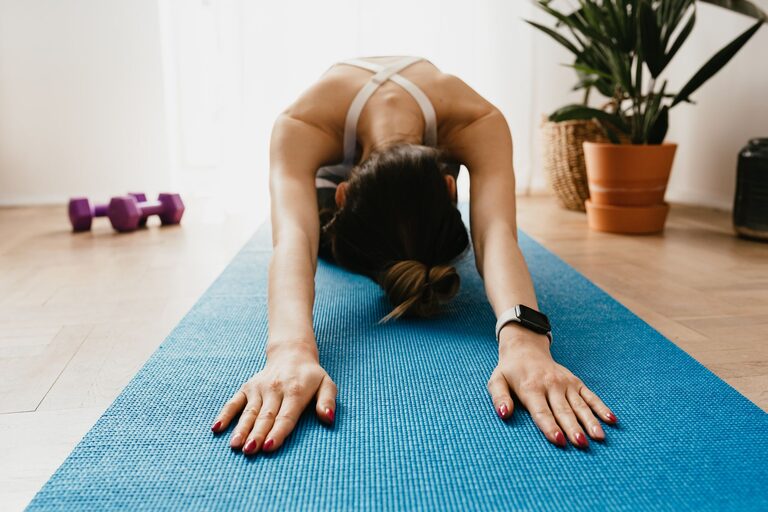
- Kneel on the floor and sit back on your heels.
- Extend your arms in front of you and lower your torso toward the floor.
- Rest your forehead on the ground and breathe deeply for 30 seconds to 1 minute.
Shoulder Stretch
Chest Opener
Seated Forward Fold (Hamstring Stretch)
Cat-Cow Stretch (Spine Mobility)
Standing Quadriceps Stretch
Child’s Pose (Relaxation Stretch)
Creating a Simple Stretching Routine
Here is an easy routine to get started. Take about 10-15 minutes and focus on slow, mindful movements:
- Warm up with 2-3 minutes of light activity.
- Perform each of the above stretches, holding each for 20-30 seconds.
- Repeat any stretches you particularly enjoy or areas that feel tight.
- Finish with deep breathing or a relaxation pose like Child’s Pose.
Try to stretch at least 3-4 times per week. Consistency will help you see improvements in flexibility and overall comfort.
Additional Tips for Success
– Wear comfortable clothes that allow movement.
– Use a yoga mat or soft surface if stretching on the floor.
– Stay hydrated.
– Consider listening to calming music or a guided stretching video.
– Be patient—flexibility increases gradually over time.
When to Consult a Professional
If you have existing medical conditions, injuries, or severe pain while stretching, it’s a good idea to check with a healthcare provider or a physical therapist. They can provide personalized advice and modifications to keep you safe.
—
Stretching at home is a convenient and low-cost way to improve your body’s flexibility, reduce tension, and boost your overall well-being. By starting with these simple stretches and building a regular routine, you’ll feel more relaxed, mobile, and ready to take on your day. Give it a try—you might be surprised how much better you feel!
About the Author