
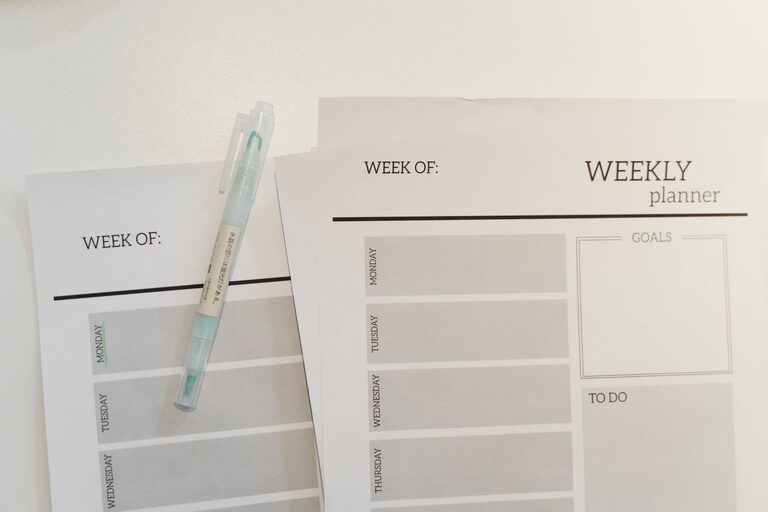
Setting realistic weekly goals is a powerful way to boost productivity, maintain motivation, and create a sense of accomplishment. When goals are clear and achievable, you can focus your efforts effectively and enjoy steady progress. However, setting unrealistic goals often leads to frustration and burnout. This guide will walk you through practical strategies to set weekly goals that are both ambitious and attainable.
Why Setting Weekly Goals Matters
Weekly goals break down bigger ambitions into manageable chunks. They help you:
– Stay organized and prioritize tasks
– Track your progress frequently
– Adjust plans quickly if needed
– Build momentum through small wins
– Reduce stress by avoiding last-minute rushes
By focusing on what you want to achieve in just one week, you prevent overwhelm and improve clarity.
Step 1: Reflect on Your Bigger Objectives
Start by understanding how your weekly goals fit into your broader vision.
– Review your monthly or yearly goals to see what progress is needed this week.
– Ask yourself what success looks like at the end of the week.
– Identify tasks that contribute most directly to your larger objectives.
This alignment keeps your weekly goals meaningful and purposeful.
Step 2: Be Specific and Clear
Vague goals like “get more work done” are hard to measure and achieve. Instead:
– Define exactly what you want to accomplish.
– Use clear and actionable language. For example, “Complete the first draft of the report” is better than “Work on the report.”
– Set goals that you can realistically assess by the week’s end.
Specificity helps you stay focused and motivated.
Step 3: Keep It Achievable
It’s important to challenge yourself, but don’t aim too high.
– Consider your available time carefully, including work, family, and rest.
– Evaluate how long each task will take.
– Limit your goals to a realistic number, typically 3 to 5 important tasks per week.
Starting small prevents burnout and builds confidence as you complete goals.
Step 4: Break Goals into Manageable Tasks
Large projects can feel overwhelming. Break them down into smaller, actionable steps.
– List each step needed to complete a goal.
– Schedule these steps throughout the week.
– Celebrate completing each smaller task to maintain motivation.
This approach turns big goals into easy wins.
Step 5: Prioritize Your Goals
Not all goals hold the same weight. Learn to prioritize by:
– Urgency: What needs to be done soonest?
– Impact: Which goals contribute most to your overall success?
– Resources: What can you realistically accomplish given your current tools and support?
Use methods like the Eisenhower Matrix (urgent vs. important) to decide what to tackle first.
Step 6: Write Down Your Goals
Document your weekly goals clearly.
– Use a planner, journal, or a digital tool like a task manager.
– Writing goals down helps clarify your intentions and improves commitment.
– Review your list daily to keep goals front and center.
This simple habit supports focus and accountability.
Step 7: Build in Flexibility
Life can be unpredictable, so allow room for adjustments.
– If unexpected tasks arise, be ready to reassess priorities.
– Avoid rigidly sticking to a plan that no longer fits your circumstances.
– Use weekly goal reviews to learn what worked and what didn’t.
Flexibility helps you stay on track without unnecessary stress.
Step 8: Track and Review Progress Regularly
Monitoring your progress is key to long-term success.
– Set aside time at the end of each day or week to evaluate your achievements.
– Note completed tasks and any obstacles encountered.
– Reflect on whether your goals were realistic and adjust future planning accordingly.
Regular review encourages continuous improvement.
Tips for Staying Motivated
– Visualize success: Imagine how good it feels to accomplish your goals.
– Reward yourself: Celebrate your wins, even small ones.
– Avoid multitasking: Focus on one goal at a time for better results.
– Limit distractions: Create a work environment that supports concentration.
– Stay positive: Treat setbacks as learning opportunities, not failures.
Sample Weekly Goal Plan
| Goal | Tasks | Priority | Notes |
|——————————-|——————————————–|———-|———————|
| Finish presentation draft | Research topics, create outline, write slides | High | Due Thursday |
| Organize workspace | Declutter desk, sort files, clean monitors | Medium | Improves efficiency |
| Exercise 3 times | Schedule workouts Mon, Wed, Fri | Medium | Keeps energy up |
Final Thoughts
Setting realistic weekly goals is a skill that improves with practice. By aligning your goals with larger objectives, being specific, keeping them achievable, and reviewing progress regularly, you’ll find it easier to stay motivated and productive. Remember to be kind to yourself and adjust goals as needed—progress is a journey, not a race.
Start your week with a clear, realistic plan, and enjoy the satisfaction that comes with steady achievement!
About the Author